
Newborn Photography Safety: Essential Standards for Parents
What Australian parents should look for when choosing a professional newborn photographer who prioritises baby safety, comfort and calm handling.
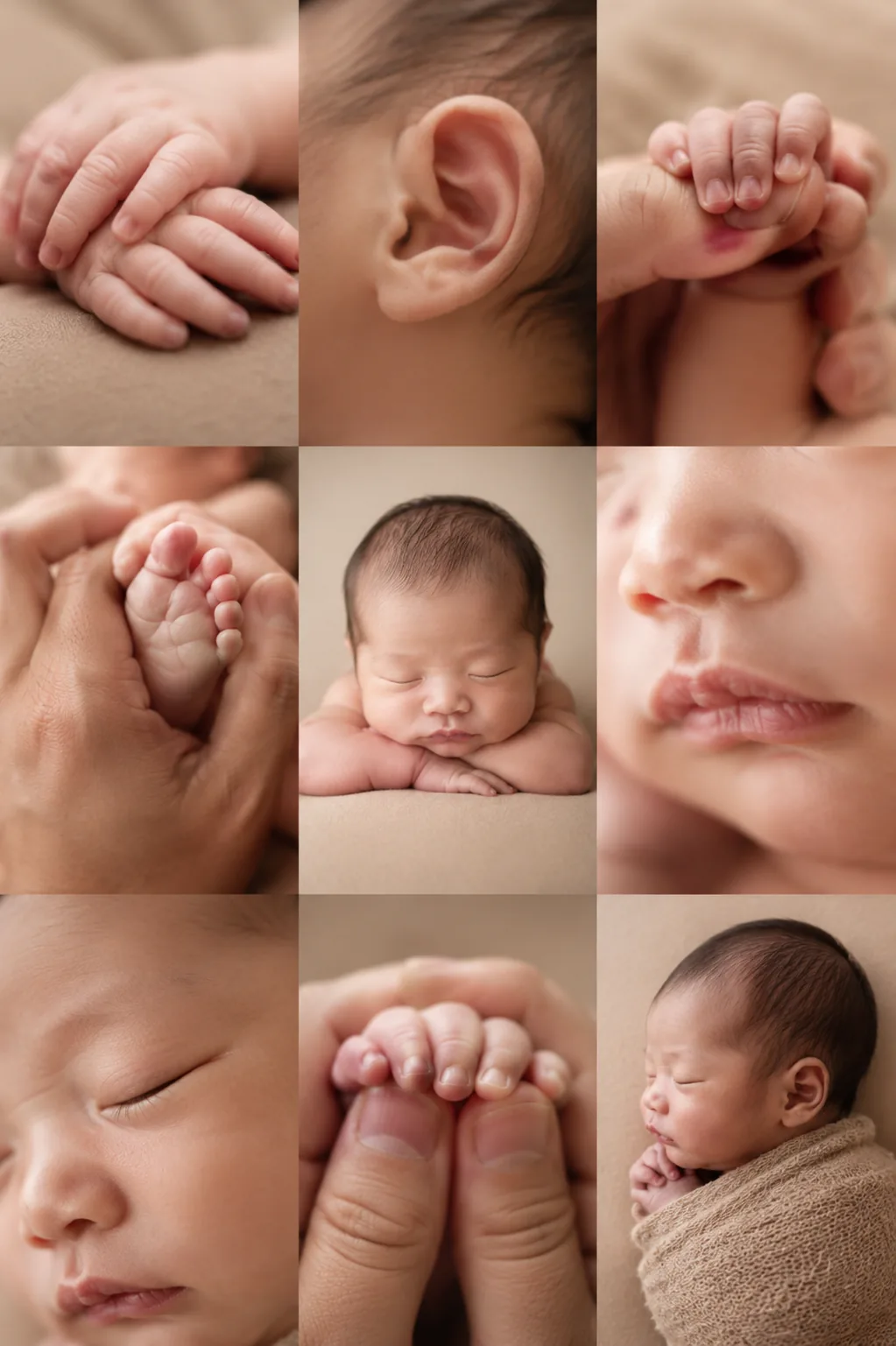
When welcoming a new baby into the family, documenting those early, fleeting weeks is often high on a parent’s list of priorities. However, while those sleepy, curled-up portraits are beautiful, the safety and comfort of your newborn must always come first.
Unlike other areas of photography, newborn photography requires a specific set of physical handling skills and safety standards. Understanding what goes on behind the scenes can help you make an informed decision when choosing a professional to work with your baby.
Professional Training and Handling
A professional newborn photographer does more than adjust camera settings. They understand infant physiology, circulation, and temperature regulation. Newborns cannot regulate their body temperature easily, so a professional studio will always be kept warm, usually between 24 and 28 degrees Celsius, to keep an undressed baby comfortable.
When it comes to those classic poses, safety is built into the technique. Many of the images you see online—such as the baby resting their chin on their hands—are actually composite images. This means a parent or assistant supported the baby’s head at all times, and the hands were later edited out in Photoshop. A safe photographer will never leave a baby unsupported in a prop or balanced in an upright position.
Hygiene and Immunisations
Because a newborn’s immune system is still developing, hygiene standards in the studio must be rigorous.
- Sanitisation: All wraps, blankets, and props should be washed or sanitised after every single session. The photographer should sanitise their hands regularly throughout the shoot.
- Health Policy: If the photographer or anyone in their household is unwell, the session should be rescheduled immediately. Many professionals also ensure their immunisations, including the whooping cough vaccine, are up to date.
Listening to Your Baby
Every baby is different, and a session should always be run at their pace. If a baby resists a particular pose or seems uncomfortable, a trained professional will never force them. They will simply move on to a different, more natural position. Feeding, settling, and changing breaks should be integrated naturally into the session timeline, ensuring a relaxed environment for both baby and parents.
Before booking, ask every photographer to explain their posing, hygiene, illness and rescheduling policies in plain language. The questions to ask before booking guide can help you compare those answers consistently rather than relying only on portfolio images.
Turn this guide into a practical plan
Check the most suitable session stage, then keep the preparation list saved on this device.